Why Daily Puzzles Work After Block Blast
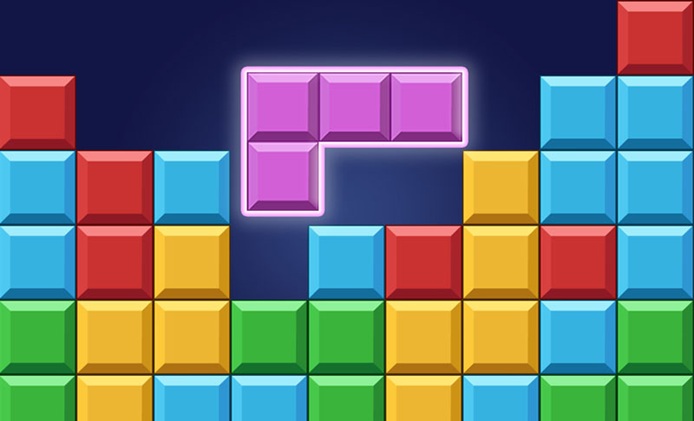
Block Blast is easy to start and hard to put down. You place three pieces at a time, protect open space, and wait for the right moment to clear two lines at once. Then one bad placement can end the run. That mix of calm planning and sudden pressure is why many players want another puzzle right away.
Daily puzzle games work the same way: one fresh puzzle every day, a short session, and a skill you can improve over time. The games below test words, logic, and pattern recognition, and together they make a strong daily routine.
1. Letter Boxed
How to Play
Letter Boxed is a daily word puzzle from The New York Times. You get a square with 12 letters, three on each side. You build words by joining letters from different sides, and each new word must start with the last letter of the previous word. You win when every letter has been used at least once.
Why It Fits
The real challenge is efficiency. Solving in five or six words is good, but solving in two words is the goal most experienced players chase. That feels a lot like setting up a combo in Block Blast. You are not just making any move; you are planning a chain that covers the whole board.
If you get stuck, look at the letters you have not used yet and build a longer first word around them. Daily hints and answers are published on Letter Boxed Answers, useful when you want to check one step and learn the pattern instead of giving up.
Quick Facts
Time needed: 5 to 15 minutes. Best for: players who like planning ahead.
2. Wordle
How to Play
Wordle is the simplest game on this list, and that is its strength. You have six tries to guess a five-letter word. After each guess, the colours tell you which letters are correct, which are in the wrong place, and which are not in the word at all.
Why It Fits
Block Blast players will recognise the skill at once. In both games, early moves should give you information, not just points. A good first Wordle guess covers common vowels and consonants, just as a good first Block Blast placement keeps space open for later pieces. It takes only a few minutes and is easy to share without spoiling the answer.
Quick Facts
Time needed: 2 to 5 minutes. Best for: a quick morning warm-up.
3. Connections
How to Play
Connections gives you 16 words and asks you to sort them into four groups of four. Each group shares a hidden link, and the groups are colour coded from easiest to hardest. This is a pattern game, not a vocabulary test. Sometimes the link is simple, like types of fruit. Sometimes it is wordplay, like words that share a hidden meaning. You get only four mistakes, so you have to be careful before you submit a group.
Why It Fits
That pressure will feel familiar. In Block Blast, one careless placement can close the board. In Connections, one careless guess can cost you the puzzle. The best habit in both games is the same: pause, look for a second possible link, and only commit when the group feels solid.
Quick Facts
Time needed: 3 to 8 minutes. Best for: players who enjoy spotting hidden patterns.
4. Strands
How to Play
Strands is a themed word search with a twist. You get a grid of letters and a theme clue, and you have to find all the theme words hidden in the grid. One special word, called the spangram, describes the theme and stretches from one side of the board to the other.
Why It Fits
Unlike a normal word search, the words can bend and turn in any direction, so you cannot just scan in straight lines. You have to think about the theme first. For every three non-theme words you find, you earn a hint. That makes Strands a good next step after Block Blast, because it rewards the same kind of board reading: slow down, study the full layout, and then make a move.
Quick Facts
Time needed: 5 to 10 minutes. Best for: players who like visual puzzles.
5. Woodoku
How to Play
If you love Block Blast but want a calmer version, Woodoku is the natural choice. It combines block placement with a Sudoku style board. You drag wooden blocks onto a 9 by 9 grid and clear full rows, columns, or 3 by 3 squares.
Why It Fits
The key difference is pace. There is no timer, and the design feels more relaxed. The strategy, however, is almost the same: keep the centre open, save space for large pieces, and try to clear more than one line at a time for combo points. Because the board is larger than Block Blast, you get more room to test placement ideas and learn why some shapes are dangerous when placed carelessly.
Quick Facts
Time needed: 10 minutes or more, no fixed limit. Best for: Block Blast players who want the same skill in a slower game.
How to Build Your Daily Puzzle Routine
You do not need to play all five games every day. A simple routine works better. Start with Wordle for a quick win, play one main puzzle like Letter Boxed or Connections for a real challenge, and finish with Woodoku when you want to relax.
That routine also teaches you something Block Blast already teaches: good players do not rush. They study the board, plan two moves ahead, and use a hint to learn, not just to finish. Used that way, daily puzzles become a way to get sharper, one puzzle at a time.